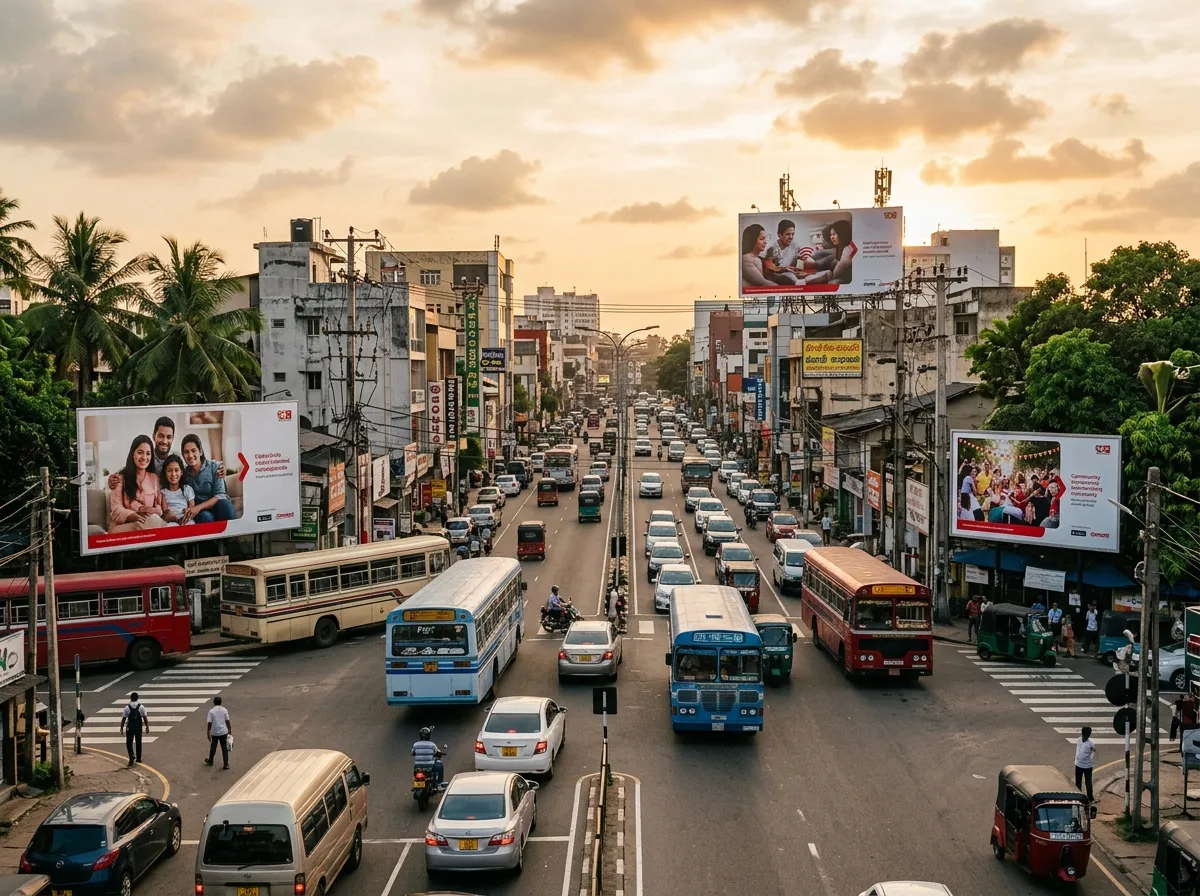
Planning Regional Billboard Campaigns
Plan route selection, creative simplicity, campaign duration, and performance signals before a regional rollout.
BPR Promo Team
Feb 15, 2026
A regional billboard campaign can give a brand strong visibility outside a single city, but it needs more planning than simply booking several locations. The route, message, duration, and production schedule all affect the final impact.
For brands expanding across districts or supporting islandwide campaigns, the goal should be consistent visibility in the places that matter most.
Choose Locations By Audience Movement
Good billboard planning starts with where the audience travels. Main roads, commercial junctions, town centers, transport routes, and high-traffic entry points can all play different roles.
The strongest locations are not always the most crowded ones. A location should match the audience, campaign objective, and viewing conditions.
Keep The Message Simple
Billboard creative must be easy to understand quickly. Use a short headline, strong visual, clear brand identity, and one main call to action.
Avoid crowded layouts. If the audience is seeing the board from a moving vehicle, every extra word reduces readability.
Plan Campaign Duration
Regional campaigns often need enough time for repeated exposure. A short burst may work for a launch or event announcement, while a brand awareness campaign usually needs a longer presence.
Duration should be planned alongside production, installation, and removal timelines so the campaign goes live when the message is most relevant.
Coordinate Supporting Media
Billboards can be supported by LED trucks, banners, retail signage, event branding, or dealer boards. This helps the message appear both on the road and closer to the point of purchase.
A connected media mix gives the campaign more chances to be seen and remembered.
Measure What Matters
Outdoor campaigns are often measured through location coverage, campaign duration, route relevance, store enquiries, QR scans, sales lift, event attendance, or brand recall studies.
Set the measurement approach before launch. That makes it easier to understand what worked and what should improve in the next rollout.